Projects About Contact Download CV
← Back to projects
Design Marketing

Communication Brief — Clair Obscur: Expedition 33

A strategic communication brief built around the launch of Sandfall Interactive's debut RPG — framing the game's unique identity and mapping out how to reach its core audience ahead of release.

Year 2025
Type School Project
Role Communication Strategist
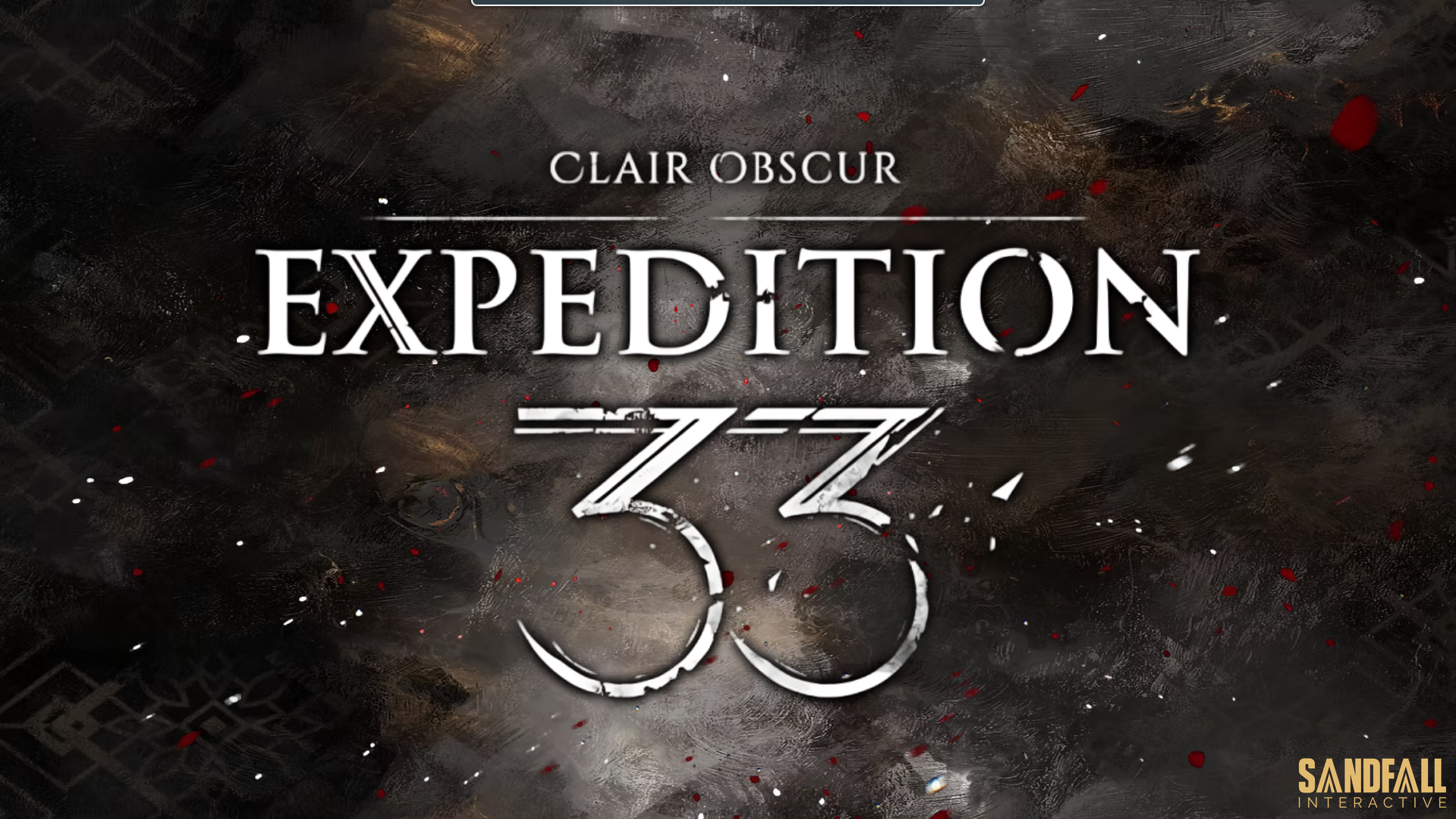
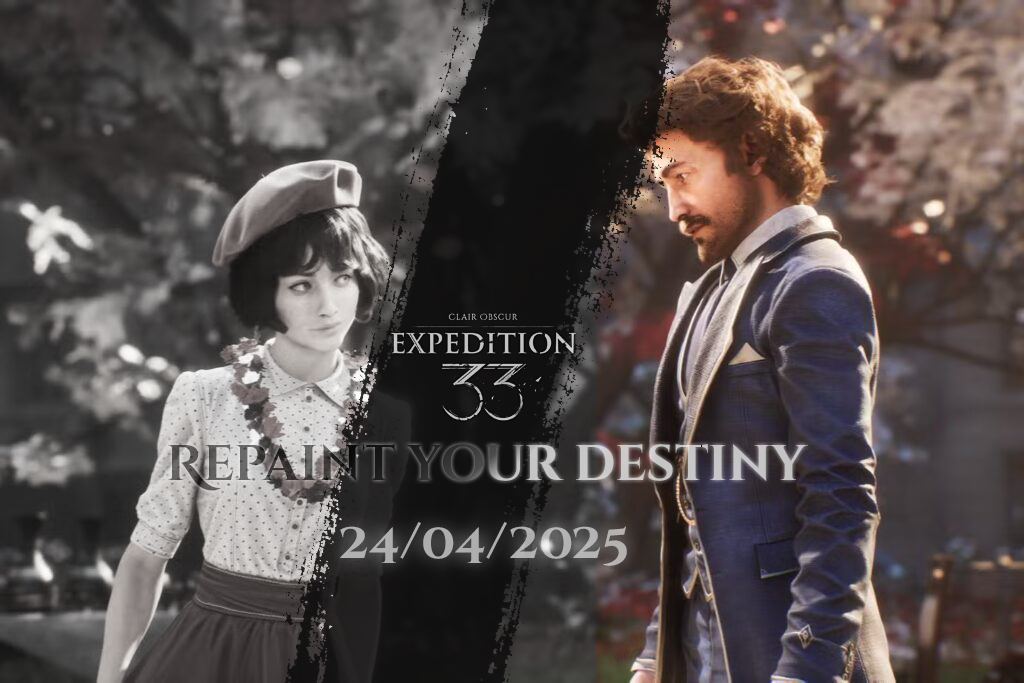
Clair Obscur Expedition 33 hero visual
01 — Context

The situation

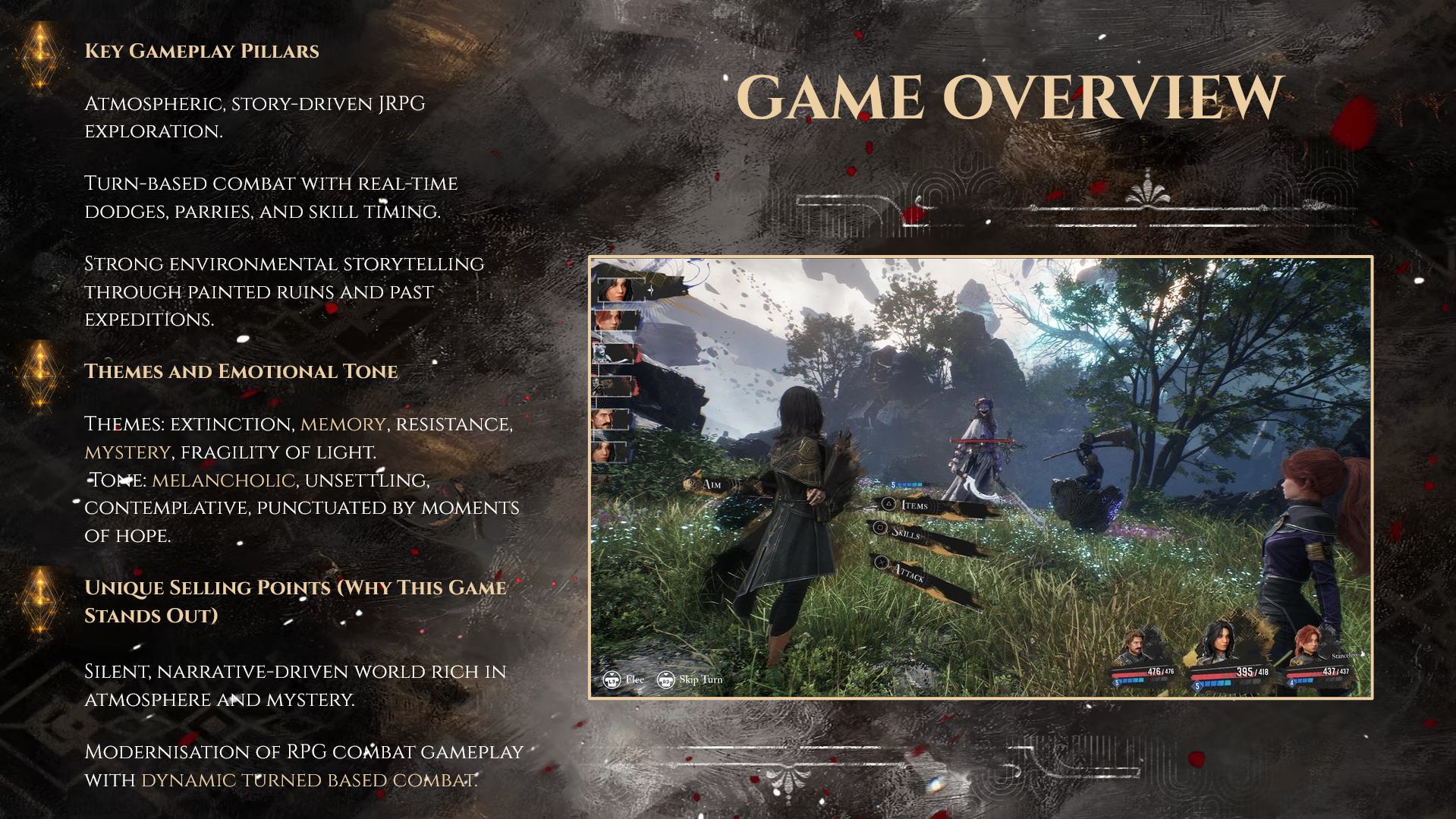
Clair Obscur: Expedition 33 is a turn-based RPG developed by Sandfall Interactive, a small French studio. Before its release, the game was generating significant buzz in the RPG community — largely thanks to striking visual direction and a melancholic, original world. Yet as a debut title from an independent studio, it faced the classic challenge: how do you communicate the value of something unfamiliar to an audience that has high expectations?

As a school project, I was tasked with preparing a full communication brief for the game — analysing the product, defining the target audience, and structuring a communication strategy that could realistically support its launch.

02 — Objective

What needed to be done

  • Analyse the game's identity: tone, universe, visual direction, and what makes it stand apart
  • Define the primary and secondary target audiences, with personas and media habits
  • Identify the key message and the communication angle most likely to resonate
  • Propose a channel strategy and content approach adapted to the gaming audience
03 — Strategy

My approach

I built the brief around a central insight: Clair Obscur is not trying to compete with mainstream RPGs on scale — it wins on emotion and uniqueness. The communication had to reflect that. Rather than leading with gameplay features, the strategy leaned into storytelling and atmosphere.

The target audience was segmented into two groups: core RPG fans (familiar with JRPGs and indie games, active on Reddit, YouTube, and Discord) and a broader curious gamer profile drawn in by striking visuals and word-of-mouth on social platforms. The channel mix was built accordingly — prioritising YouTube content creators, Twitter/X, and Steam community tools over traditional advertising.

04 — Execution

What I did

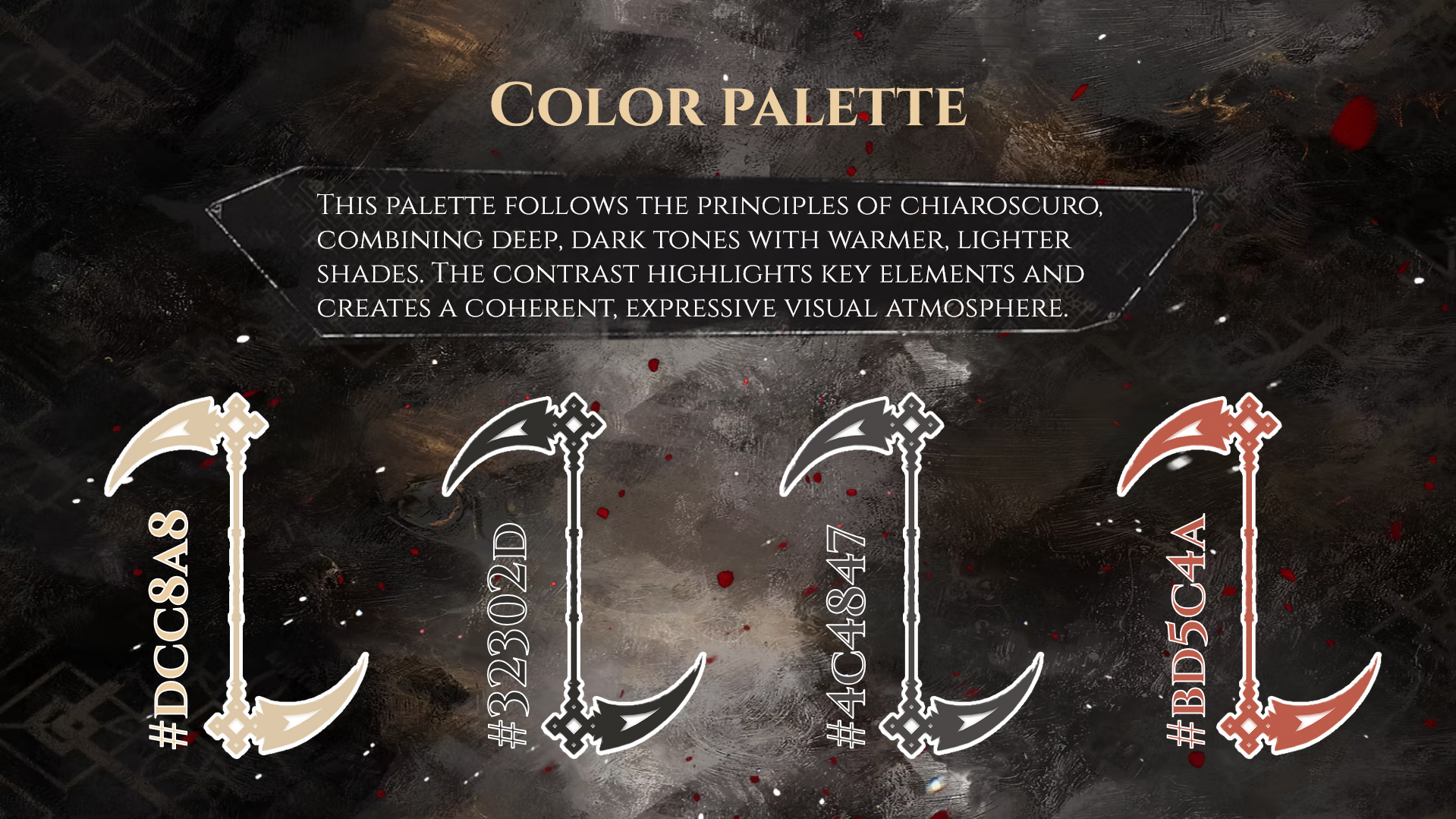
  • Conducted a product analysis of the game: art direction, narrative themes, competitive positioning vs. other RPGs
  • Built audience personas with demographics, platform usage, and content consumption habits
  • Defined the core communication message: "A French RPG that dares to feel"
  • Mapped a multi-phase communication calendar: teaser → reveal → pre-launch → launch week
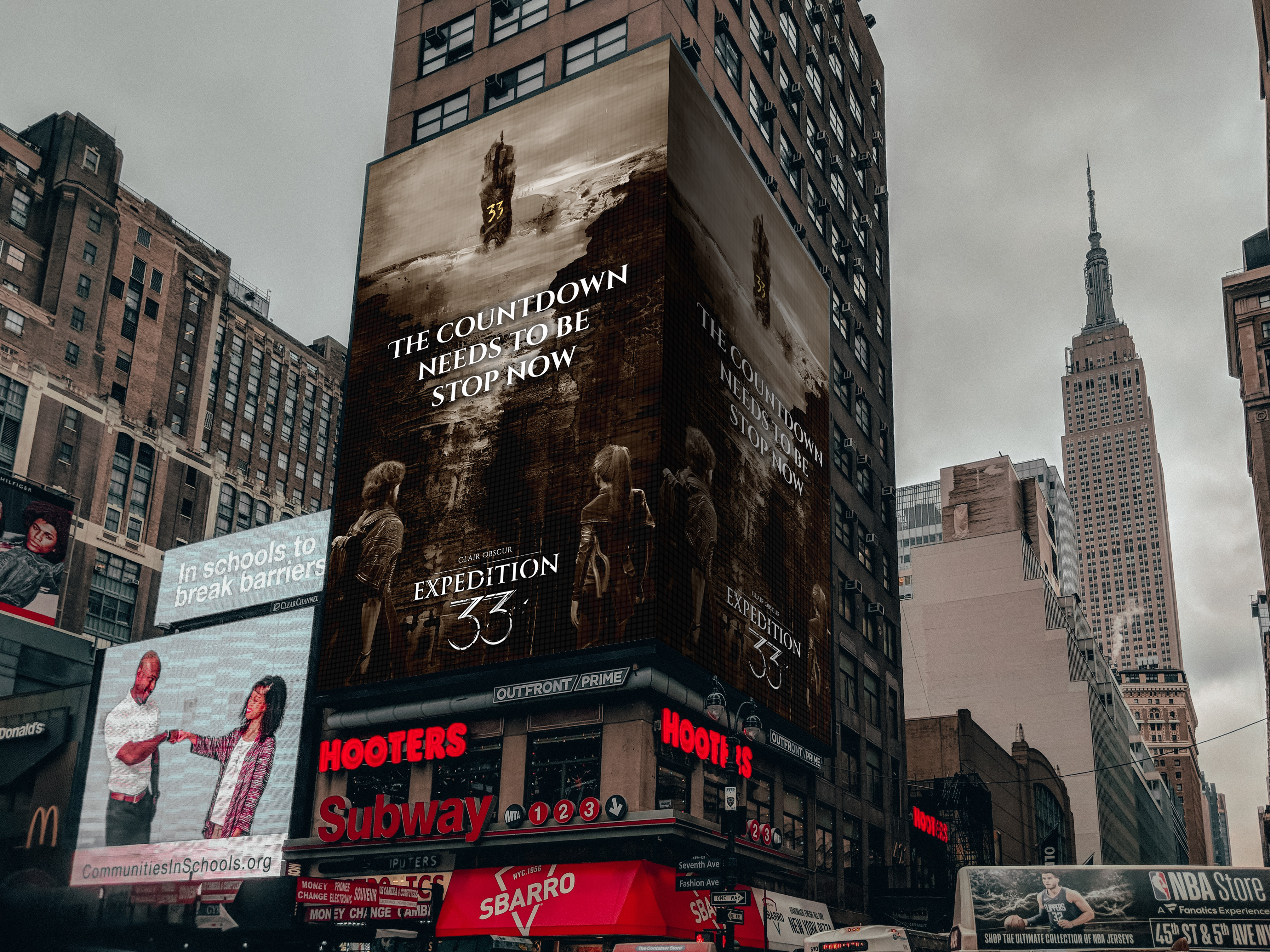
  • Proposed content formats for each phase (trailers, dev diaries, influencer previews, community events)
  • Formatted the entire brief as a professional visual document, structured for a real client pitch
05 — Results

Deliverable

The brief was validated by the professor and recognised for the quality of the audience segmentation and the coherence of the proposed channel strategy. Worth noting: the actual game went on to receive wide critical acclaim at release — a rewarding validation that the product had real communication potential.

2
Audience personas defined
4
Communication phases mapped
5+
Content formats proposed
Brief validated with distinction
06 — Visuals

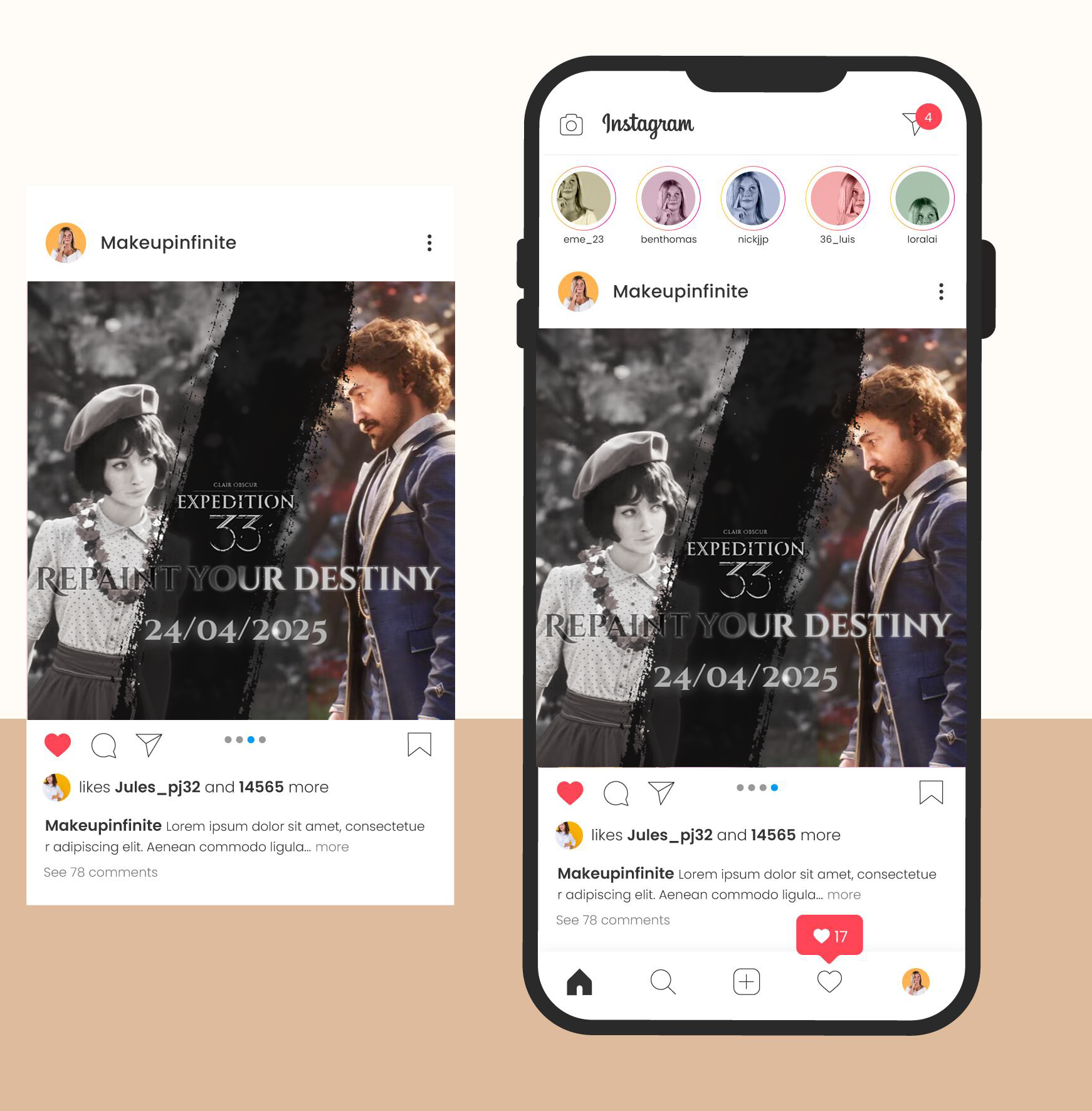
Brief extracts & visual materials

Slides and visual extracts from the communication brief document.

View presentation ↗
07 — Learnings

What I took away

Working on a real product — even in an academic context — pushed me to be precise. I couldn't invent an audience; I had to research one. That discipline of grounding every strategic choice in actual data or observable behaviour is something I've carried into every project since.

The project also reinforced that communication strategy and product understanding are inseparable. You can't write a good brief if you don't genuinely understand what makes the thing you're promoting worth talking about.

← Back to projects Next project →